Foundation damage is more than just cracks and settling. Water accumulating around the foundation can lead to problems like mold and pest issues that can quickly make a home unhealthy.


Foundation Settlement
Shifting or sinking foundation causing wall/ brick cracking, uneven floors, and structural damage.
Foundation Damage Prevention
Foundation damage is more than just cracks and settling. Water accumulating around the foundation can lead to problems like mold and pest issues that can quickly make a home unhealthy. You can help extend the healthy life of your home and foundation with a proper drainage system. This is just as important as a good roof in terms of keeping your home healthy.
Cracks and settling are usually caused by undermining or unstable soil underneath. They can also come from construction problems, such as poor-quality concrete or concrete poured on frozen or unstable soil. Either way, the best way to help prevent or slow cracking and settling is good drainage and waterproofing that are well maintained.
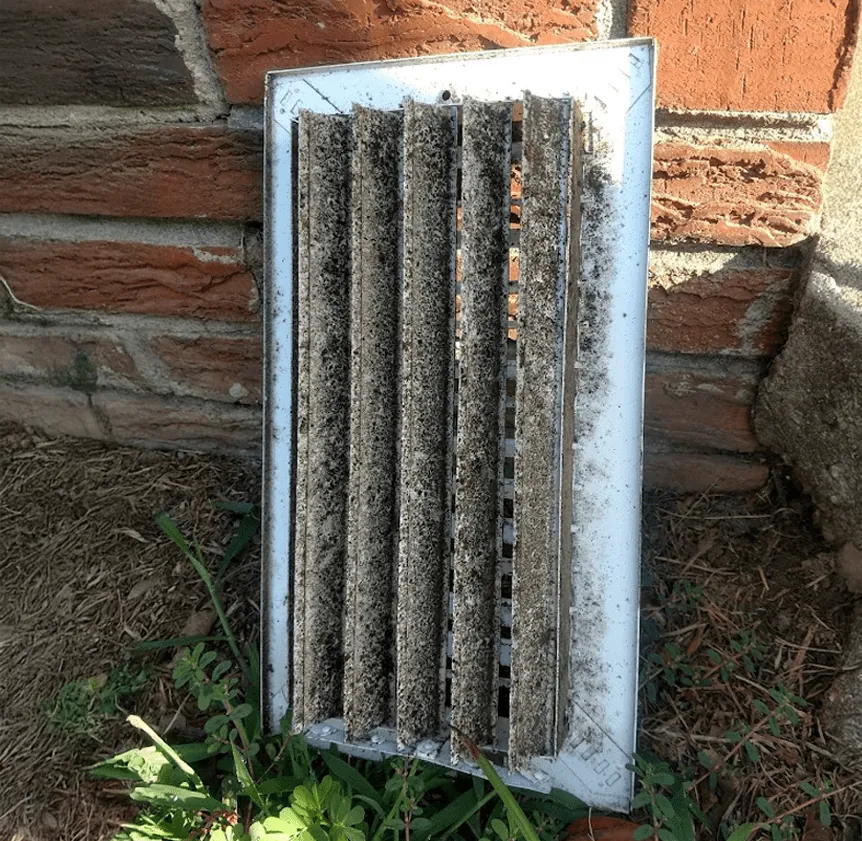
Foundation Issues Can Affect Air Quality: The home's ductwork typically runs through the basement or crawl space. Ductwork is not airtight. It can leak up to 6%, even when it's brand new. This leakage allows it to draw in damp, moldy air from the crawl space or basement and can contaminate the air in the living space.
- A moldy air vent caused by the HVAC system pulling in moldy air from the crawl space.
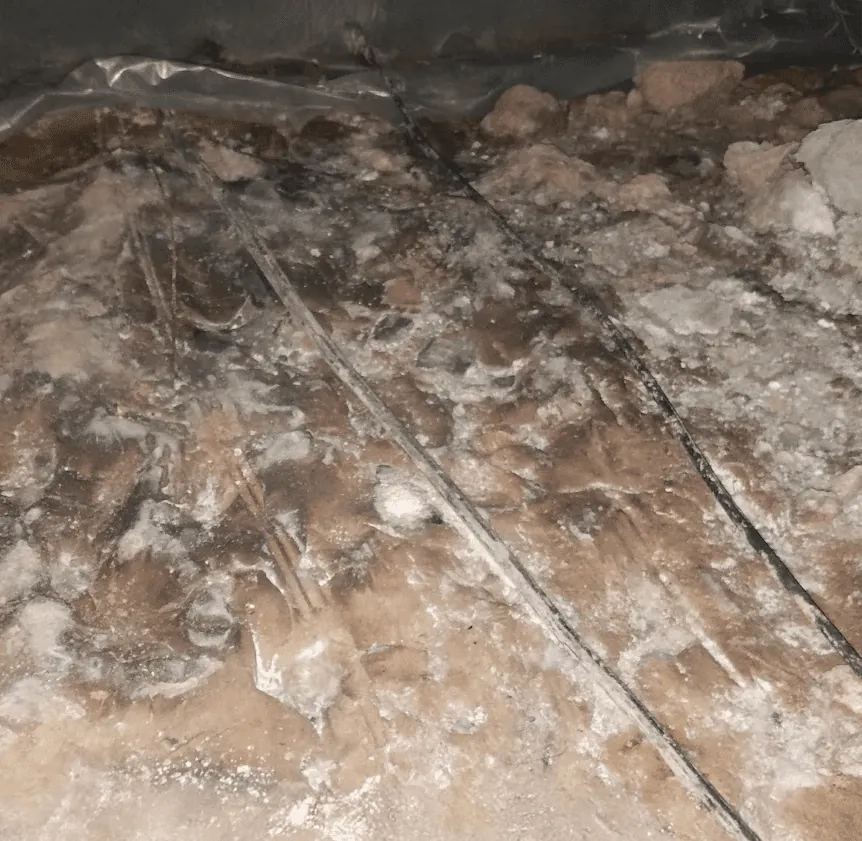
- Mold growth on floor joists lead to wood rot.


Solutions:
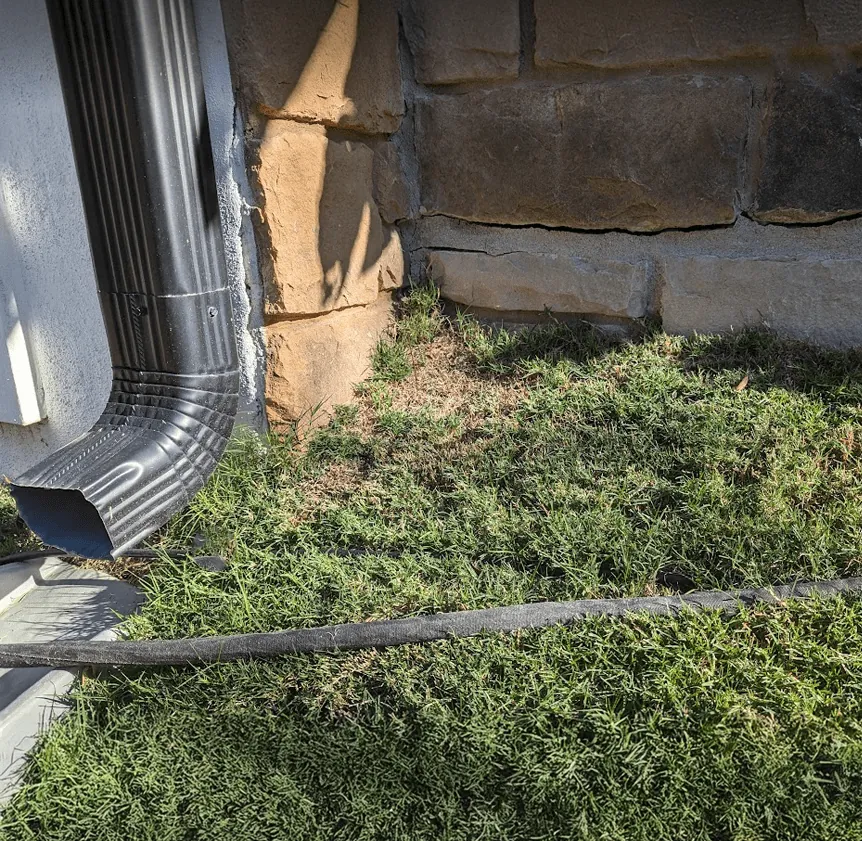
- A good downspout drainage system that carries roof water away is the No. 1 priority for foundation health. Each downspout puts out more than 200 gallons per inch of rain on average. If that water isn’t routed away from the foundation, it can overload the foundation drain and basement waterproofing. The result can be undermining, wetness around the foundation, pests (which are drawn to moisture) and mold. A well-designed downspout system should also run the PVC pipe through low spots in the yard and add surface drains where needed to keep water from pooling.
- Ensuring that the foundation drain is in good working order is also extremely important. In our experience, most foundation drain pipes on homes over 2 years old are often somewhere between halfway clogged and 98% clogged. Homeowners generally don't know about these drains or where they outlet to or how to maintain them. If the foundation drain is clogged, water can build up in the system around the base of the foundation causing the base soil to soften and other wetness problems. Foundations on soft soil/ mud are more susceptible to cracking plus this wetness increases moisture levels in the crawl space or basement which causes mold and attracts pests.
- Proper waterproofing should have been installed when the home was built. This is the tar or membrane that is applied to the foundation walls to prevent the porous masonry or concrete from wicking in water. Unfortunately, these coatings or membranes are often applied to the foundation walls when they are wet, icy and/or dirty. Waterproofing has actually been renamed damp proofing in most building code books because it does not really make a basement waterproof. Waterproofing should come at least up to the grade line on the exterior of the home. We often see soil built up on a foundation wall much higher than the waterproofing. This also allows water to wick in.
- Grading should slope away from the home at least 6 inches over 10 feet, according to most building codes. Where that isn’t possible, such as when a neighbor’s home is 8 feet away, a linear drain along that side of your home can make up for the missing slope and keep water from standing between the homes.
- A sump pump should be installed if the property doesn’t have enough slope for a gravity drain. A gravity drain is usually better, but in some places it isn’t practical. There, the foundation drain empties into a sump pit, and the sump pump pushes the water out and away from the home through the exterior drainage system.
- Crawl space sealing is important if your home has a crawl space. We're learning more and more about the toxicity/ neurotoxicity of mold and how it can have long-term negative effects on our health. A sealed crawl space that is heated and cooled provides geothermal energy benefits plus allows the moisture and temperature of the space to be controlled. Differences in temperature cause condensation, which is essentially wetness. As wetness increases, humidity and moisture levels increase which leads to mold, wood rot and pest issues. A sealed crawl space can be kept clean and healthy. This means that the air in the rest of the home will be cleaner and healthier. It's common to have significant amounts of ductwork as well as air handling units located in the crawl space. These units are not completely sealed, allowing up to 6% leakage even when brand new, so they let crawl space air in which is then circulated throughout the home.
There is an important step to take before sealing your crawl space: make sure your drainage system is well maintained and working its best. Otherwise, water can ruin the sealing system. Crawl spaces are usually sealed with white vinyl or plastic sheeting that is taped together and glued to the walls and piers. Too much moisture makes the glue and tape let go over time. The plastic then pulls away, and moldy air can escape into the home. Drain Designs specializes in drainage, so we don’t seal crawl spaces, but we partner with excellent companies that do.
In this image, the plastic has been pulled back from the crawl space floor to expose the moldy mess underneath.
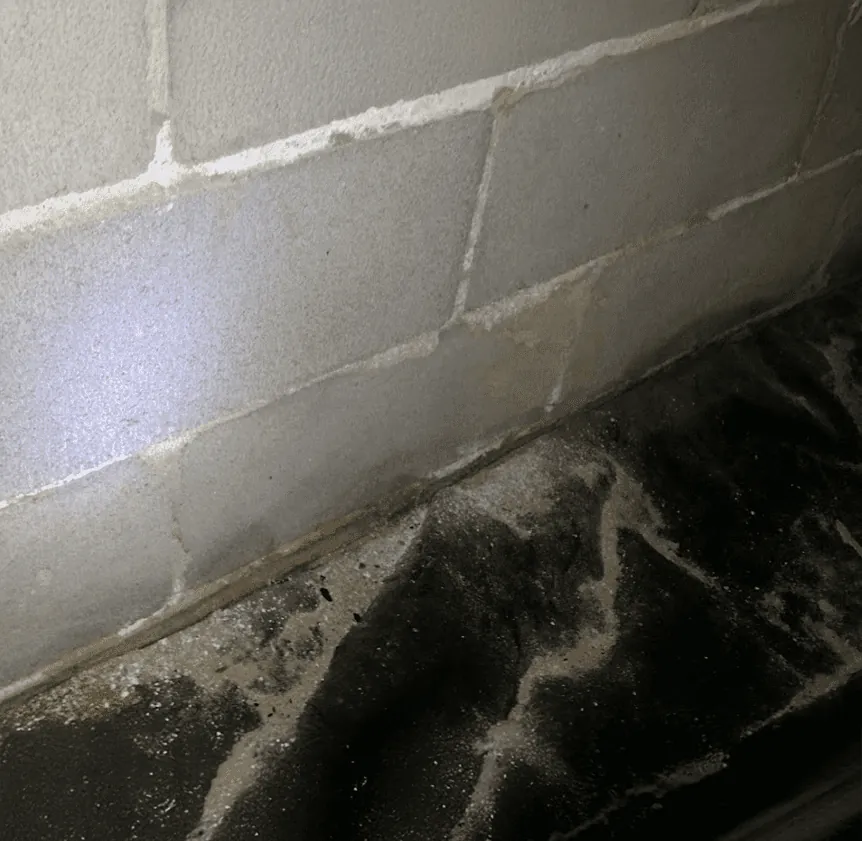
Wetness can also weaken mortar over time. Here's a photo showing how condensation inside of the walls leaks down onto the joints, is pulled through by vapor pressure thereby causing the mortar to literally disintegrate.
The bottom line: a good drainage system is job one. Before you spend money cleaning, conditioning and sealing a crawl space, protect that investment by making sure your drainage and foundation protection are working their best.
A good drainage system costs far less than the problems it prevents. One foundation crack or a failing crawl space seal can cost a home more value than the drainage system that could have prevented it, and drainage offers many other benefits too. A good drainage system is a long-term investment in your home. When properly installed and maintained, it is designed to keep performing year after year.