
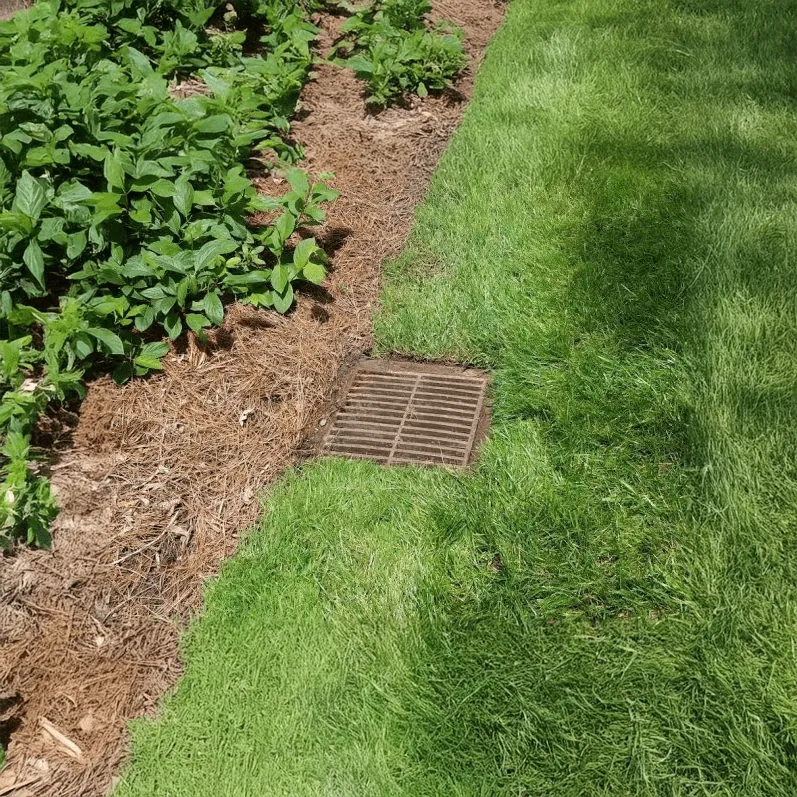
Runoff from patios, driveways and roofs is one of the biggest causes of yard drainage and erosion problems. Yard drainage can include downspout drains, yard drains, French drains, surface drains, trough and channel drains, rain gardens and dry wells.

Yard Drainage
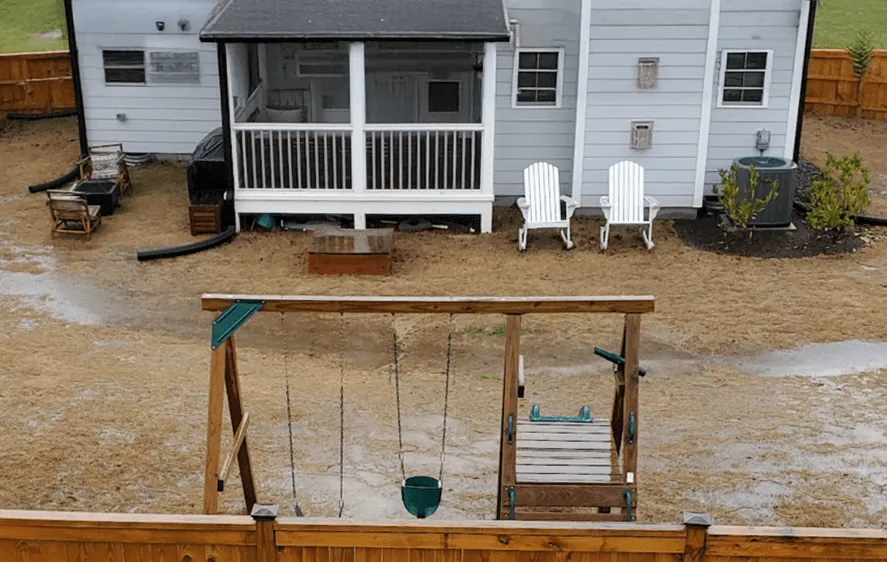
 Water in Yard, Driveway and Patio Area Water accumulating in the yard causes messy mud, attracts and breeds mosquitoes and damages grass
Yard, Driveway and Patio Drainage
Runoff from patios, driveways and roofs is one of the biggest causes of yard drainage and erosion problems. Yard drainage can include downspout drains, yard drains, French drains, surface drains, trough and channel drains, rain gardens and dry wells. Grading can help too, such as berms and swales that steer water away, or raising or lowering the soil to create slope away from your home.
At Drain Designs, we figure out what will work best and design a system to fit your needs and budget. We also improve existing systems. Unfortunately, many customers call us after spending thousands on systems that didn’t help.
Help extend the healthy life of your home and yard with Drainage Expertise.
When it comes to addressing yard drainage issues, you can save thousands by being proactive and doing it right the first time. Work with a drainage specialist who knows your region, so the plan fits your landscape. When you search “yard drainage near me,” look for Drain Designs, your local drainage specialist. We bring more than a decade of specialized drainage experience to protecting your foundation and yard from poor drainage.
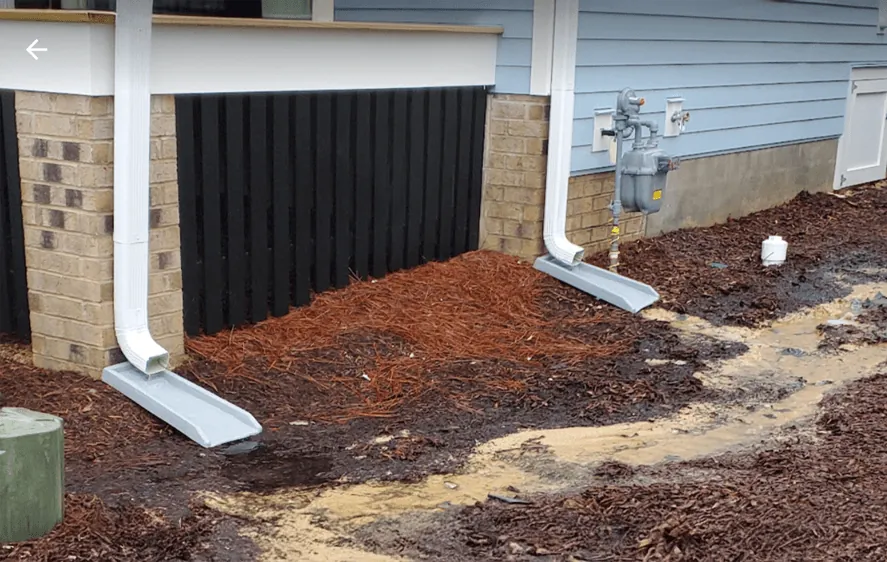
Dumping high volumes of downspout water near foundations causes Foundation cracking.
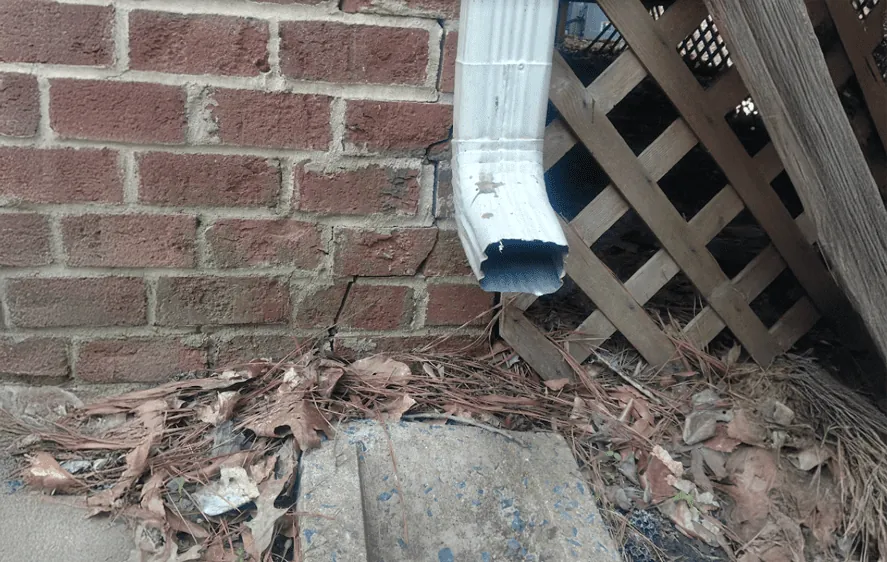
Different types of drainage systems and their components:
Downspout drains: It’s usually best to move downspout water as far as possible from the home and the parts of the yard you use, as long as it doesn’t cause problems downstream. A well-designed PVC downspout drainage system is usually the single improvement that gives you the most for your money. The average downspout puts out about 200 gallons of roof runoff per inch of rain. Without good downspout drainage, the soil at the corners of the foundation gets soaked, which can lead to leaks, pests and mold. All that water also washes away topsoil. Over time, holes can form near the foundation, and water collects around the footer and foundation walls. We also often see dead grass along the path the downspout water takes. The flow washes away the topsoil and then the grass, and bare soil erodes even faster. A proper downspout system routes roof water to a safer place. Design matters, because a poorly designed system can be dangerous. For example, water discharged near a large tree can undermine it until it falls on a home. If you have a drain like this, call us. We can reroute it around the tree to a safer outlet.
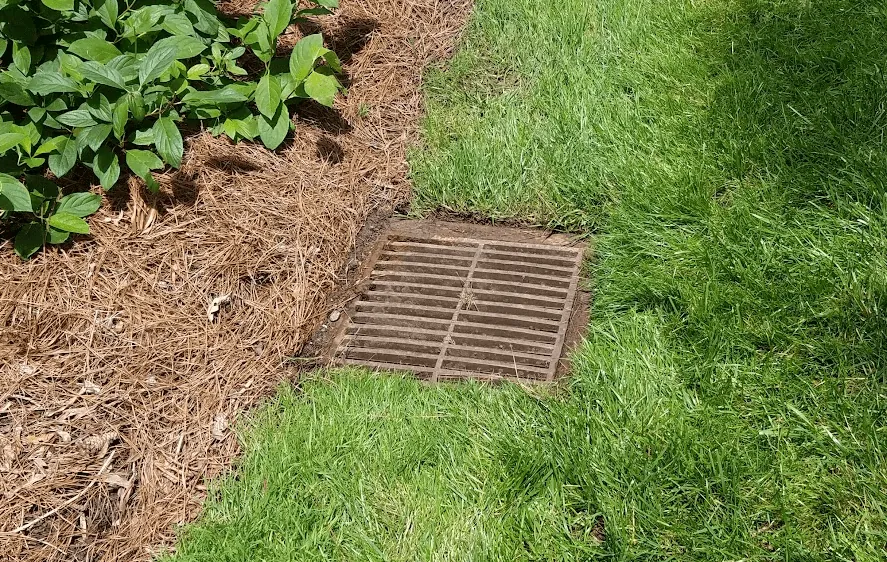
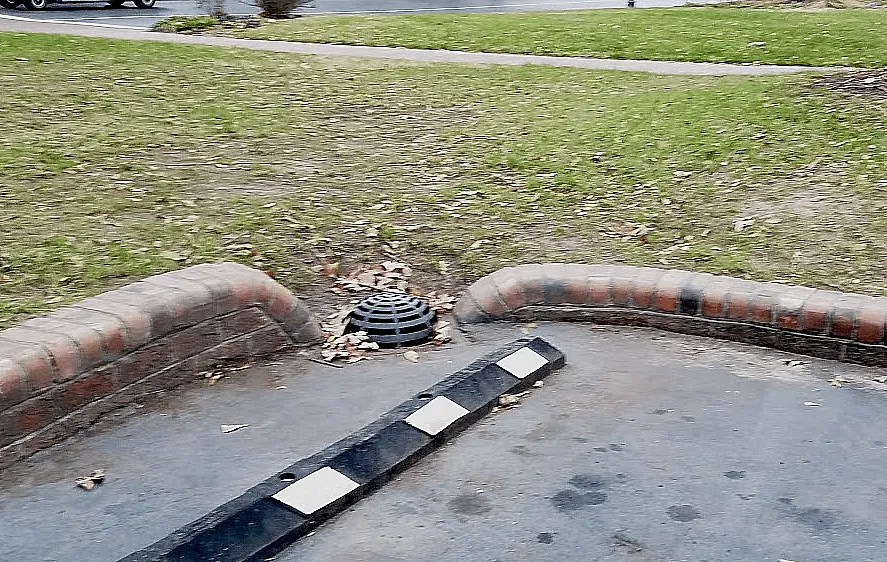
Low point Yard drains: A standard yard drain is a grate over a basin, connected to a pipe that carries water away from a low spot. Without one, a low spot is like a bathtub with no drain. The yard drain, also called a surface drain, gives that water a way out. Standing water tends to sink the soil lower over time, growing like a pothole, so it’s best to add a drain sooner rather than later.
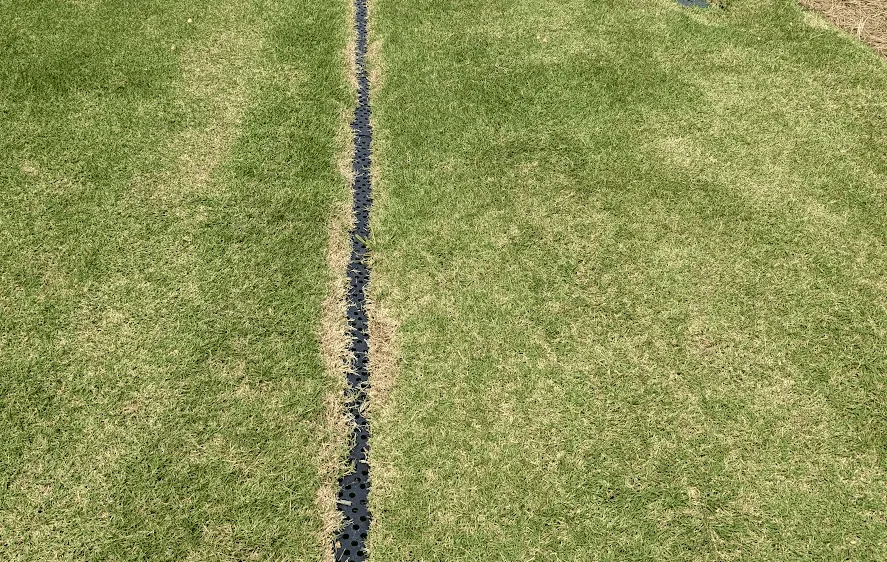
Yard drains in swales: A swale usually needs drains spaced along it. Otherwise, the water flowing through it erodes the soil and kills the grass. We often see low spots form in swales that hold more water over time. A pipe along the bottom of the swale, with a drain about every 50 to 100 feet depending on the slope, lets thousands of gallons drop into the drains and flow away through PVC pipe. The swale works much better, and you can avoid costly regrading and replanting.
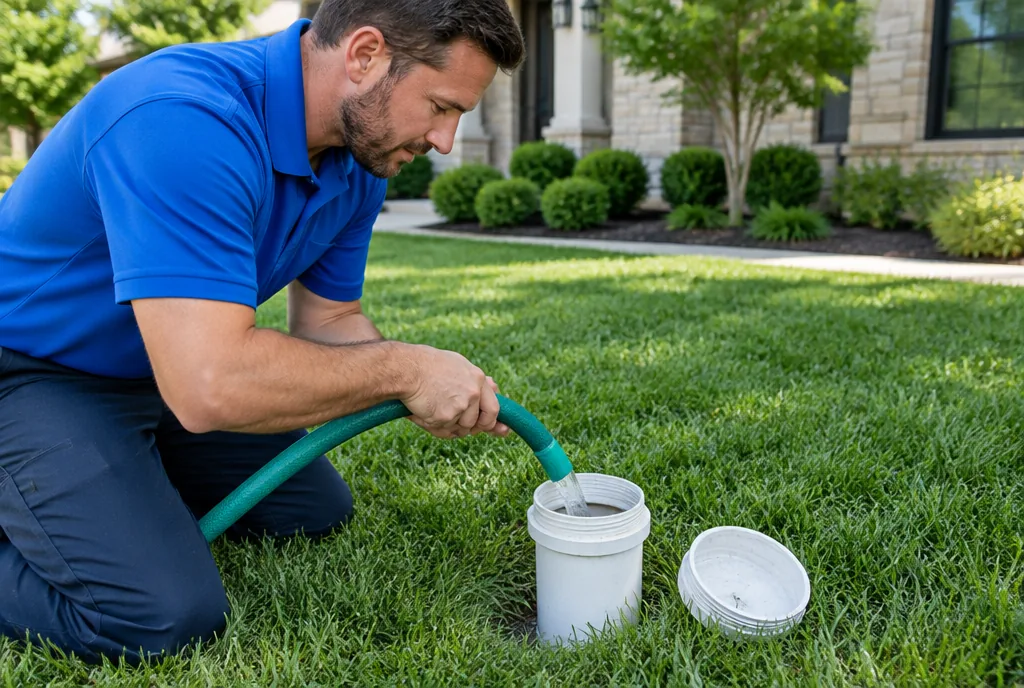
Yard Drain Maintenance: There are some challenges with yard drains. They need to be kept clean regularly. Even with fencing around the drains to filter out debris, or domed style atrium grates, debris can build up and prevent water from getting into the drains. There is also potential for erosion around the drains which can make the water flow around the drain rather than into the drain. Grass, other plantings or rocks strategically placed around the drains can reduce/ minimize maintenance and clogging. Drains should be maintained regularly as a part of the routine lawn maintenance.
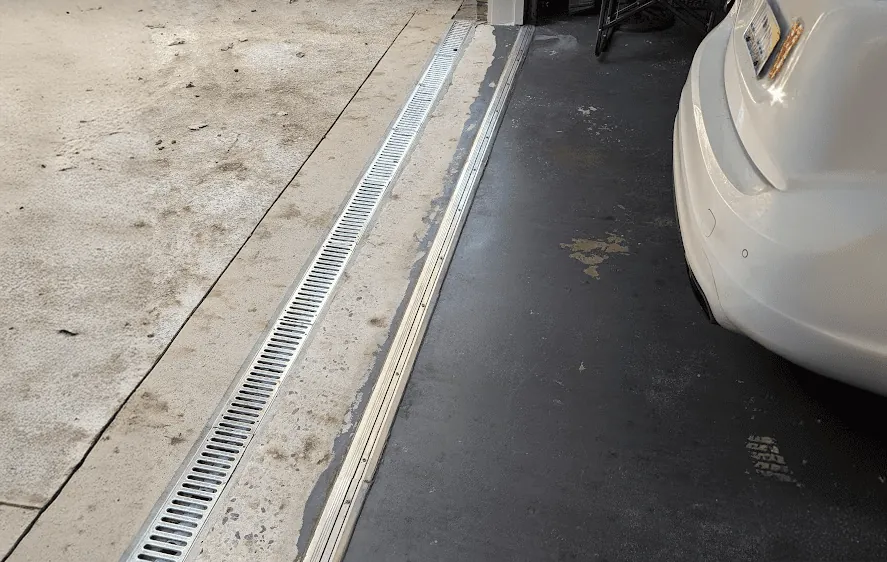
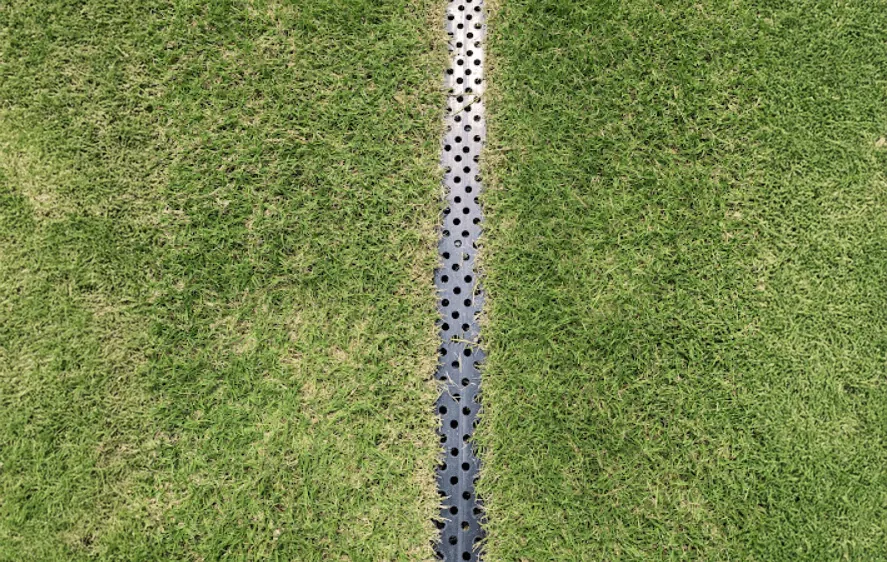
Linear drains/ trough drains/ channel drains: These are basically three names for the same type of drain. They’re often used in concrete or asphalt in situations where, for example, water is flowing towards a garage door or down a driveway or sidewalk. A trough drain can be installed along the width of the driveway or sidewalk to collect water. A pipe connected to the trough drain can then carry the water out to a desired location. These drains may be useful in situations where water is accumulating on a sidewalk or where high volumes of driveway water are causing erosion to the nearby yard and landscaping.
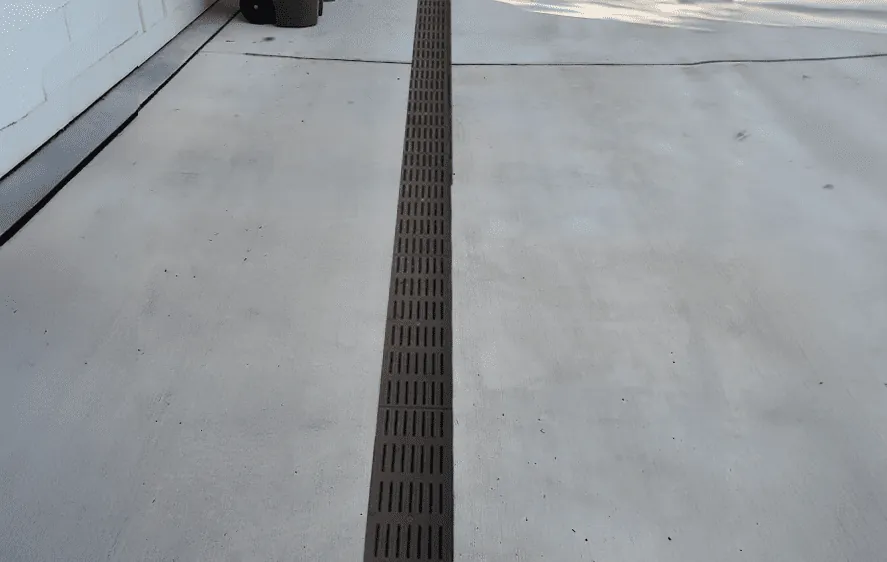
With trough drains, pay attention to how the drain connects to the PVC pipe. Trough drains often come with small outlet holes. For example, a 6-inch-wide, 4-foot-long trough drain may have a factory knockout only 2½ inches across (4.9 square inches), which is too small for heavy flow. With a 4-inch pipe, the hole should be close to 4 inches across, about 12 square inches of opening.
Rain gardens: For good gardeners: many ecologists and stormwater professionals promote rain gardens to keep water on the property and reduce runoff. Runoff is a leading source of pollution in many areas, and it causes algae blooms and unhealthy lakes and streams. A rain garden uses water-loving plants in a low, wet spot dug out and filled with a sandy planting mix. It’s a good idea to add an overflow drain to carry away extra water. It can take a very large rain garden to handle the water from an average roof. Ask your local stormwater office about their recommendations.
Dry wells: Dry wells can work well for air conditioner drip lines, which put out about 20 gallons a day. But most dry wells hold only about 100 gallons, depending on their size and the soil. That usually isn’t enough for downspout water, since the average downspout puts out about 200 gallons per inch of rain.
Familiarity with Local Conditions:
As local drainage experts, we know your region’s climate, soils and terrain, and how they affect drainage. That lets us design plans that fit local conditions.
Teaming up with The City:
Your local stormwater department can be an excellent resource. We have experience working with stormwater professionals on plans that fit your needs and budget while protecting the environment.
Safely installing the best system possible:
Drainage projects like a buried downspout drain pipe installation involve digging all through the yard. It is important to work with a drainage contractor near you that has experience with excavating around utilities like buried gas lines, power lines and communication lines. Damaging the plastic coating of a gas line, for instance, can cause the line to rust and leak years later. Damaging a buried gas or power line can be deadly. Working with a specialist with knowledge and expertise in digging around utilities is essential to safely install your drainage system.
Site-Specific Solutions:
Every region has its own drainage challenges, and what works in one place may not work in another. As a Holly Springs drainage contractor, we know local conditions and design each system for the site it serves.
Knowledge of Native Plants:
We also know the region’s native plants. That matters when planning landscaping around drainage, because native plants are often better suited to local soil and rainfall. They look good and help the drainage system work.
Community Reputation:
We have a great reputation in the community. Word of mouth and local reviews show the quality of our work. When you choose Drain Designs for yard drainage repair, you work with local professionals who care about keeping that reputation.


Climate Adaptation:
We know your area’s seasons and weather. From heavy rain to drought to snow melting and freezing around your basement, we design systems for the local climate year-round.
Drainage Systems Require Regular Maintenance:
Do you know where your buried downspout drains and your foundation drain discharges at? It’s important to maintain these discharge areas to ensure that they don’t grow over or get buried. We have cameras and locating equipment as well as cleaning equipment to keep your system working optimally. Regular maintenance is vital for the longevity of drainage systems. Drain Designs offers routine check-ups and maintenance, ensuring that your drainage infrastructure remains in optimal condition. This fosters an ongoing relationship, allowing for long term care of your home and yard’s drainage needs.
In conclusion,
If you’re looking for yard drainage services near you, Drain Designs knows local conditions and regulations, responds quickly and installs safely. We design each system to manage water on your property and help protect your home and yard.
Drain Designs would love to help with all of your home and yard drainage needs. Call us to schedule a visit. We’ll spot the red flags and create a plan to improve and maintain your drainage.